The Iran War: A View from the UAE
It was a hot day in August 1990 when my cousins arrived from Kuwait. They had been made refugees due to Saddam Hussein’s forces’ invasion of their homeland. There was the kind Rasha, who was around my age, her older sister, the confident Alaa, and the innocent Mohamed Saad, who quickly became the closest to me. I ended up sharing a room with Mohamed, and I still have memories of seeing him sleepwalking in the middle of the night (he once found himself in the garden, and I’m still not sure how). Mohamed told me about all the toys he left behind in his bedroom in Kuwait, “I threw the Nintendo console out the window so the soldiers wouldn’t play with it,” he’d said. Those were dark days in the Gulf. Most houses had selected a ‘safe’ room that they taped up in case of a gas attack. Eventually, an international coalition ended the occupation, and my cousins went back to their liberated homeland. However, I was always intrigued about why Kuwait, after having suffered through this betrayal by Saddam, did not immediately institute a national service, only doing so last month. The UAE has had mandatory national service since 2014, which I previously called for in The National in 2009. As a result, the country was made ready for a black swan event, such as the ongoing cowardly Iranian strikes against the country, as I had warned in a 2012 article for Open Democracy.
Over the years, the UAE has repeatedly called for a diplomatic solution to the Iranian nuclear program crisis, and so have the rest of the Arab Gulf States. The Gulf states have also denied the United States permission to use its bases in their countries, as well as their airspace, for this war. Still, more Iranian missiles were directed at the UAE than at Israel. Despite these cowardly attacks, the UAE’s position remains measured. Our heart goes out to all the innocent victims of this war, not least the primary school children of Minab in Southern Iran, where a strike amid the US-Israeli attacks claimed 175 victims as of current estimates. Our prayers are for the safety of not only our people but for the rest of the Gulf States as well. Our first order of gratitude goes to the men and women who have worked tirelessly over the past days to defend our homeland, its citizens and residents. We are grateful for being able to carry on with our lives albeit with adjustments. We are grateful for each intercepted attack. We are also grateful for being informed on whether to seek shelter in case of a looming threat or carry on. The clearest message to the citizens is to trust in the country’s leadership and in our own abilities to defend ourselves, which are what ultimately count. The leadership’s message to residents was clear, ‘your safety matters to us no less than our own citizens’.’ Together we will defeat this menace and as the UAE President Sheikh Mohamed bin Zayed said, through this ordeal we will emerge stronger and build an even better future.
You see, we have been through this before.
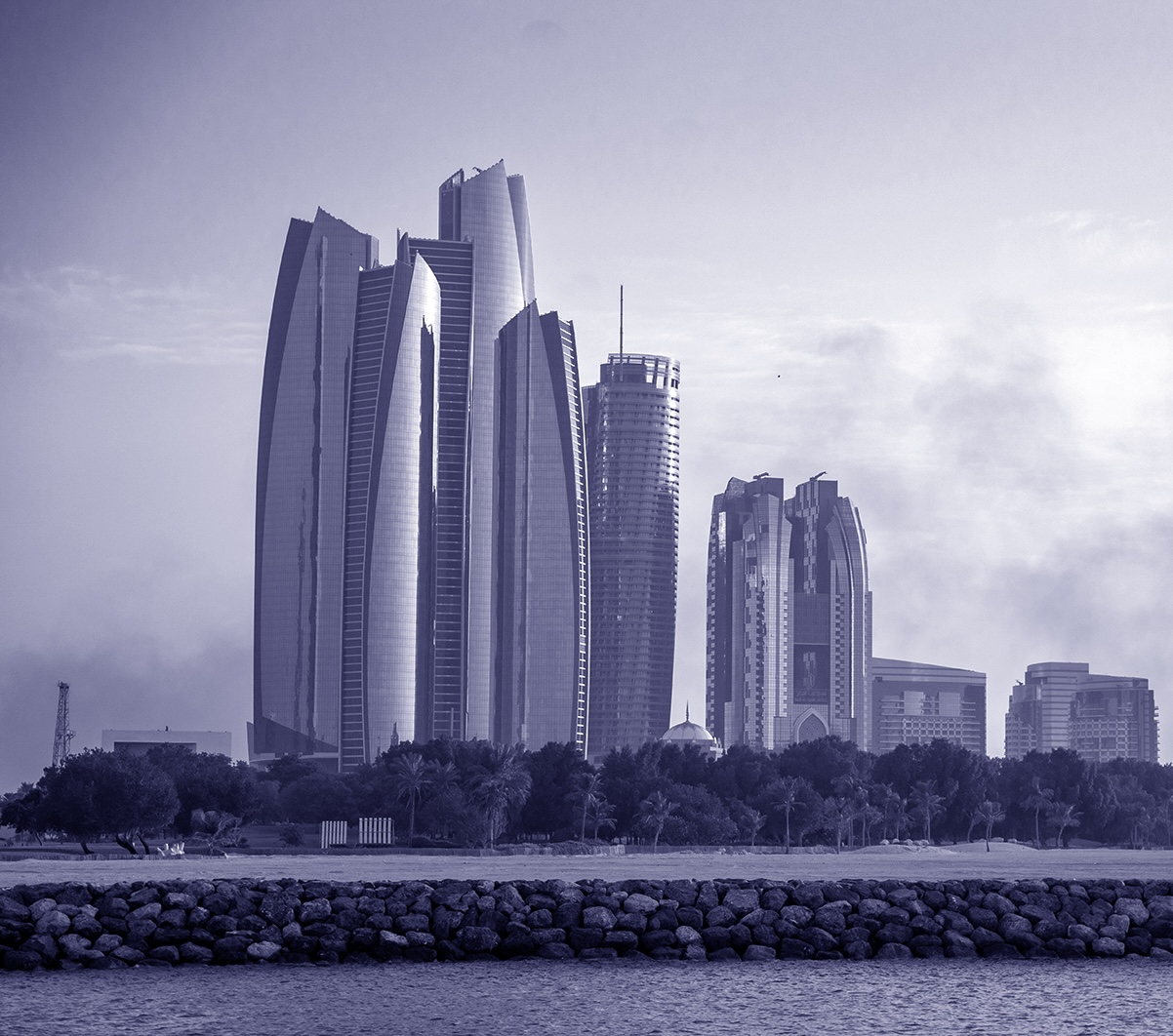
In 2009, following the global financial crisis, discredited Western journalists flew in to the UAE for a few days hoping to write the country’s obituary. They reported about people fleeing and “cars being abandoned in the airport parking lot,” all in all, there were 11 cars left behind. Since then, the UAE’s economy has grown from AED 535.6 billion in 2008 to AED 1.4 trillion in the first nine months of 2025. In the same period, the population has almost doubled from around six million to 11.5 million. Today, the UAE is a vibrant economy and host to some of the most skilled workers in the world thanks to its Golden, Green, and Blue Visa schemes. It is investing in artificial intelligence, defense capabilities, and health care. This is a land of possibilities with some of the world’s most dynamic cities, like Dubai and Abu Dhabi, which have constantly outperformed their peer cities, ranking number four and five respectively in the IMD Smart City Index 2025. Along with the rest of the UAE, they have always been open societies that have valued the presence of long term residents, newcomers, and tourists.
While others look to their pasts we are looking forward. The UAE is no doubt located in a region of the world that has both difficulties and blessings. However, just like in 1991 and 2009, the UAE that is in our hearts will persevere and prevail, and we hope you will be with us in our continuing journey into the future.
The statements made and views expressed are solely the responsibility of the author and do not represent Fiker Institute.